Why Are PV Replacement Modules Often More Expensive Than New Solar Modules?
Replacement modules for older photovoltaic systems often cost more than current new modules. The reason is not that older solar modules are generally more valuable. The higher price is mainly due to the original purchase date, long-term pre-financing and storage, and the high manual effort involved in selection, testing and shipping.
1. Purchase timing and long-term availability
PV module prices have fallen sharply in recent years. However, many replacement modules were purchased at a time when solar modules were still significantly more expensive. Their original purchase price is therefore often well above today's price of a comparable standard module.
To ensure these modules remain available as replacements many years later, SecondSol procures them early and pre-finances them at its own risk. At that point, it is not yet known when a particular module will be needed and sold.
Spare parts supply is independent of manufacturers' and wholesalers' current delivery programmes. Suitable modules can therefore still be available when the original manufacturer is no longer active or the required product series has not been produced or sold for years.
This gives our customers the opportunity to rely on a matching module type long after production has ended.
2. Long-term storage
There are now more than 150,000 different PV module types on the market. To ensure older photovoltaic systems can still be repaired after many years, numerous different modules must be kept available long term.
Ongoing costs arise throughout the storage period, including for:
- Transport to the warehouse
- Receipt, inspection and recording
- Professional warehousing
- Storage space, racking and warehouse technology
- Stocktakes, relocations and administration
- Energy, buildings and insurance
These costs are incurred regardless of when or whether a particular replacement module is sold.
3. High manual effort
Current solar modules are usually traded in large quantities on full pallets. When repairing an existing system, however, a single precisely matching replacement module is often required.
Employees must search for this module in a large stock of different manufacturers, types and years of manufacture. It is then removed from storage, transported to the dispatch area, inspected again and cleaned if necessary.
Documentation and individual packaging follow. Because individual PV modules are much more sensitive during transport than complete, originally packaged pallets, mesh boxes, special packaging materials or custom-made wooden frames are often required.
What does this mean for the price?
The price of a replacement module includes not only the value of the module itself. It also reflects the original purchase price, pre-financing at SecondSol's own risk, years of storage and the individual handling of a single order.
This effort enables spare parts supply that does not depend on current offers from individual manufacturers or wholesalers. A specific module type can therefore still be provided many years after production has ended.
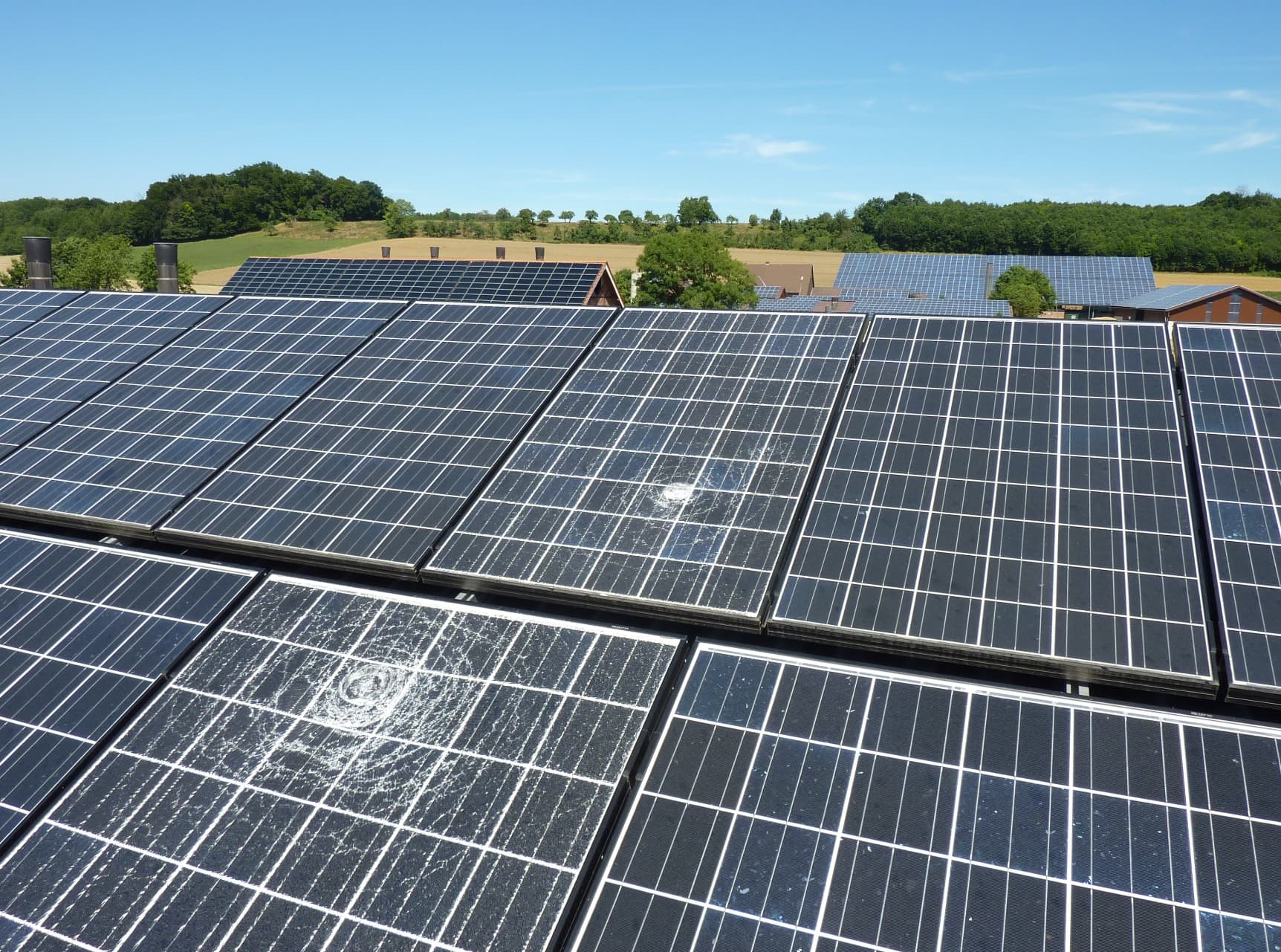
This allows a damaged module to be replaced selectively without having to replace or technically modify larger parts of the existing photovoltaic system.
In short:
Current solar modules are comparatively affordable thanks to lower market prices, modern mass production and large sales volumes. Replacement modules were often purchased at higher prices, pre-financed by SecondSol at its own risk, stored for years and must be searched for, tested and packed individually for safe transport. This means suitable replacement modules can still be available when manufacturers or product series have long since left the market.
Frequently asked questions about PV replacement modules
Many replacement modules were purchased when market prices for solar modules were still significantly higher. Additional costs arise for long-term availability and storage as well as for individual searching, testing, packaging and shipping.
Repairing an existing photovoltaic system often requires a specific module type. To keep that type available long after production ends, numerous different modules are procured early, pre-financed and stored and managed professionally for many years.
Yes, depending on stock levels, suitable replacement modules may still be available when the original manufacturer is no longer active. This also applies to product series that manufacturers and wholesalers have not offered for years.
SecondSol holds replacement modules independently of manufacturers' and wholesalers' current delivery programmes. We are therefore not solely reliant on modules that are still being produced or sold through regular channels.
SecondSol procures and pre-finances replacement modules at its own risk. The modules are kept available for our customers even though it is not yet known when or whether a particular module type will be needed and sold at the time of purchase.
Individual PV modules are particularly sensitive during transport. Unlike complete, originally packaged pallets, they require individual, transport-safe packaging. Mesh boxes, special packaging materials or custom-made wooden frames are used for this purpose.
Not every current module is suitable as a replacement. Electrical characteristics, dimensions, connections and integration into the existing system must be considered. Whether a new module can be used should therefore be checked by a specialist company.
A matching replacement module can avoid a major rebuild of the photovoltaic system. Whether replacement is economically worthwhile depends on the condition, age and technical design of the system in question.
No. Used modules can also be rare and difficult to source. Their price depends on availability, condition, testing effort and storage and shipping costs, among other factors.
The price includes not only the module itself but also the original purchase, pre-financing by SecondSol, transport to the warehouse, testing, years of storage, inventory management and individual preparation and packaging for shipping.